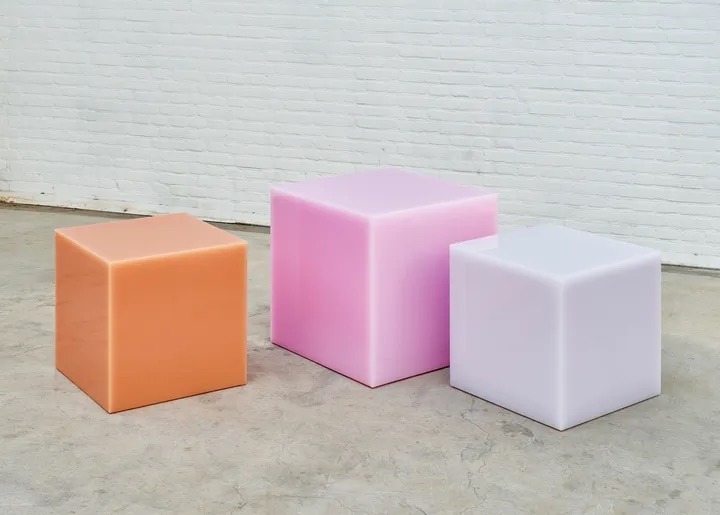
In the hands of the Dutch designer, light becomes material, and colour becomes a three- dimensional experience. The exhibition traces the stages of her artistic development, from the founding of the studio in 2011 to the present day
On 30 October 2026, the Museum für Gestaltung Zürich will open the first solo exhibition dedicated to the Dutch designer Sabine Marcelis. The exhibition, ‘Sabine Marcelis – Light and Colour’, brings together a selection of her most significant works, created over fifteen years, from the founding of her studio in 2011 to the present day.
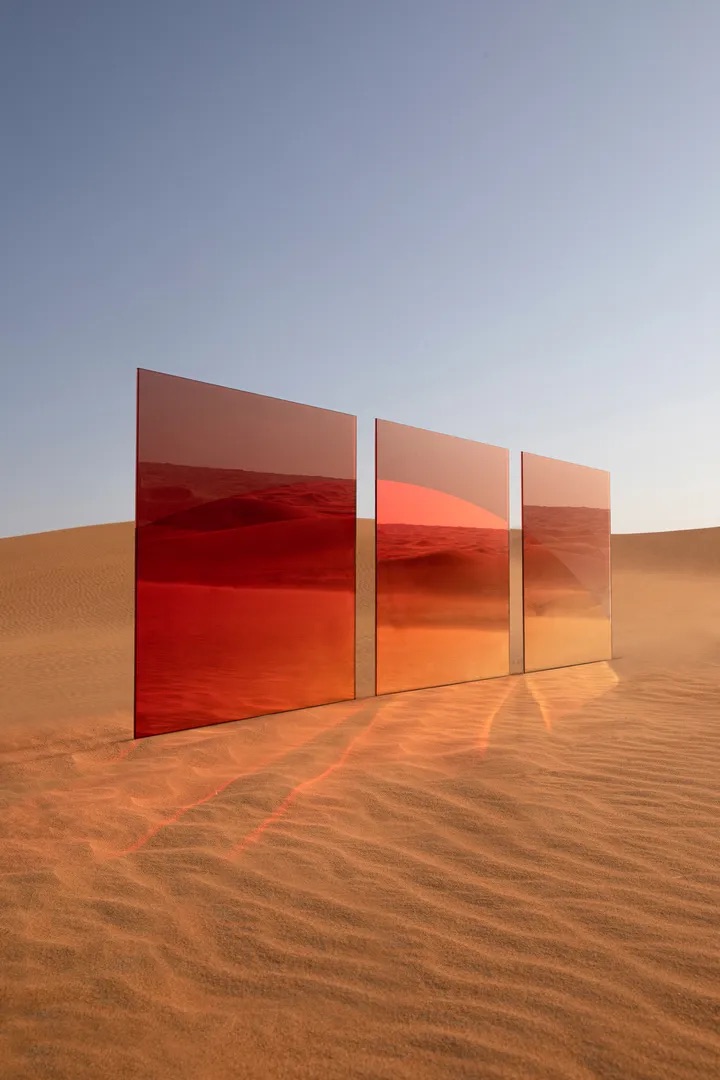
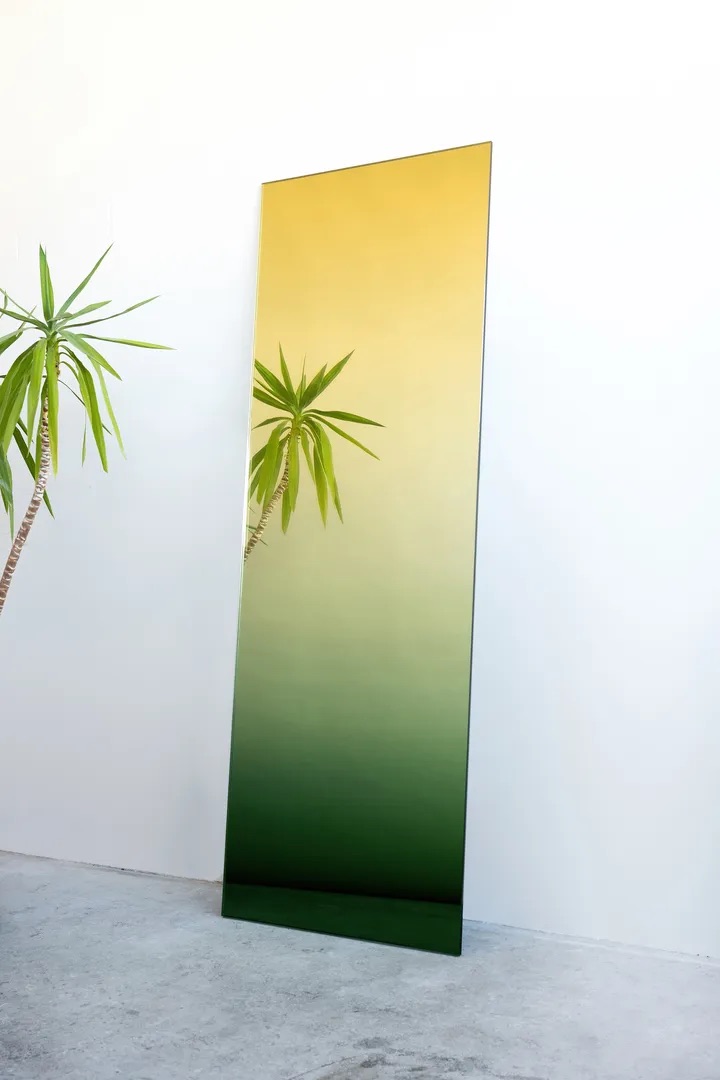
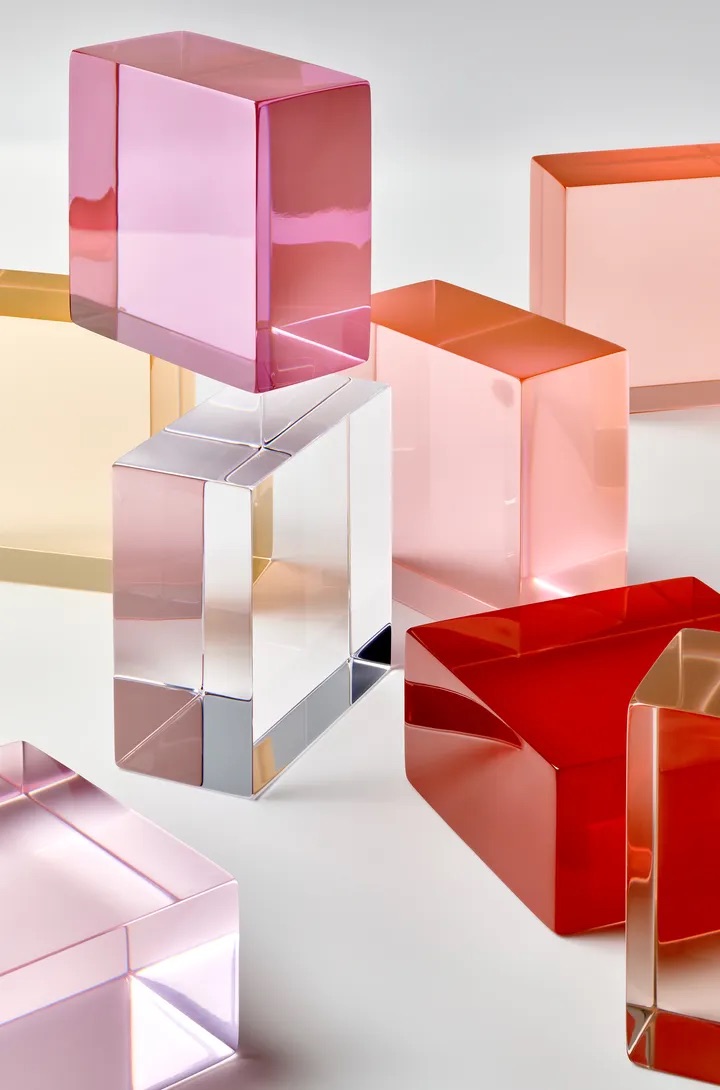
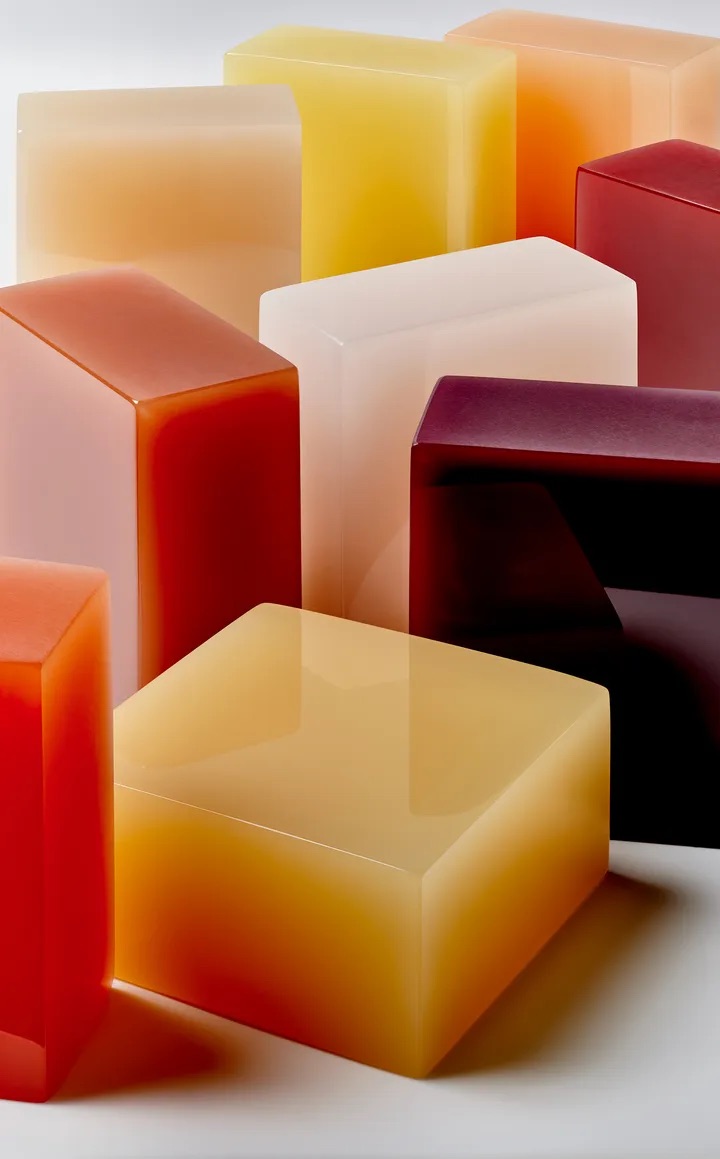
In Sabine Marcelis’s hands, light becomes material, and colour becomes a three- dimensional experience. Her works operate at the interface between design, art, and architecture and include furniture, lighting, mirrors, and spatial installations. Her practice typically features a meticulous orchestration of translucent materials such as resin and glass, whose luminosity she enhances through targeted lighting.
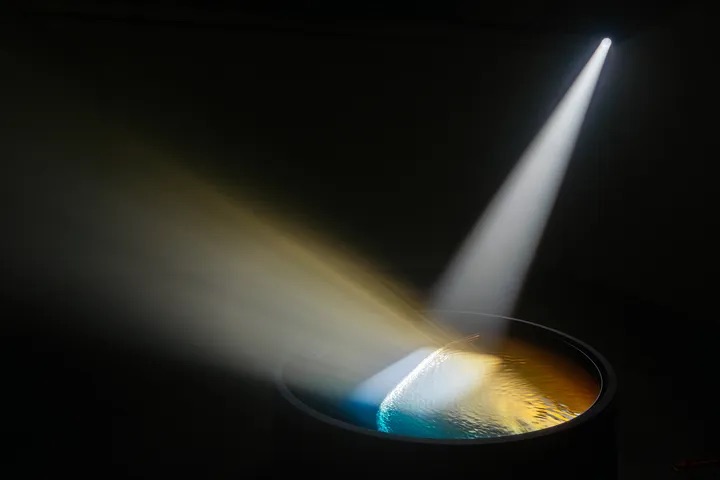
The exhibition brings together works from the last fifteen years – including early key pieces such as Tall Stripe, the group Candy Cube, and the installation Sunbeam Capture, a collaboration with Boris Acket. Complementing the selection are lights, furniture, and mirrors, as well as a new site-specific installation developed especially for the Museum für Gestaltung Zürich.
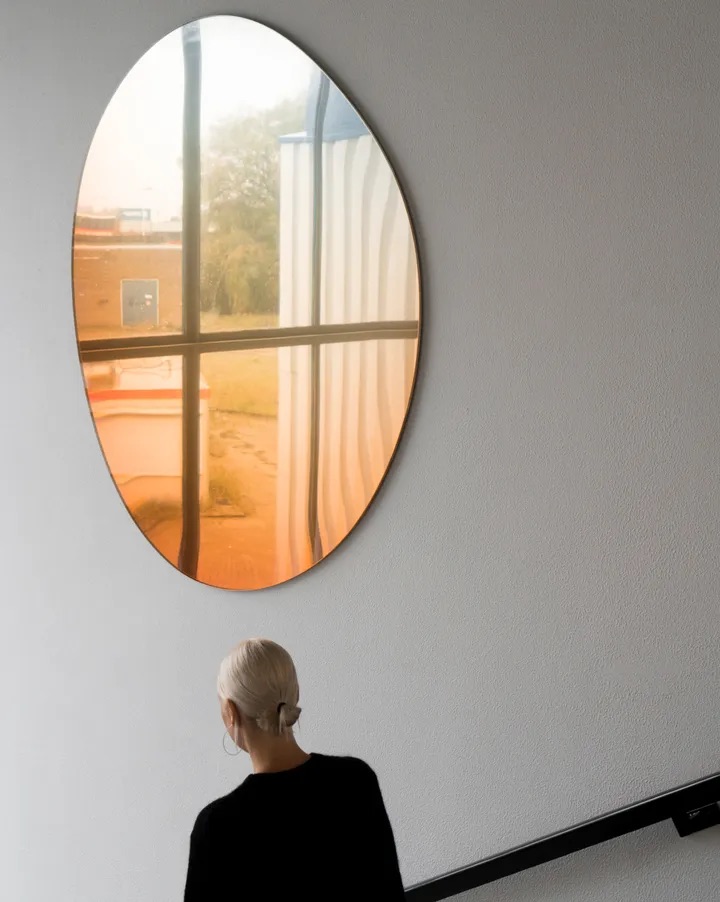
Reflecting on the intention behind the exhibition, designer Sabine Marcelis explains: “I didn't want this exhibition to be an archive of past projects but rather an insight into how I work, how we play with light, material and colour in my studio.”
Visitors can gain insight into Marcelis’s working methods through the background information on material studies and experiments. Transparency, reflection, colour, and light are rendered tangible here not only as creative media but as central elements in our experience of space. Colour is more than a surface treatment: it can completely alter how a setting is perceived.
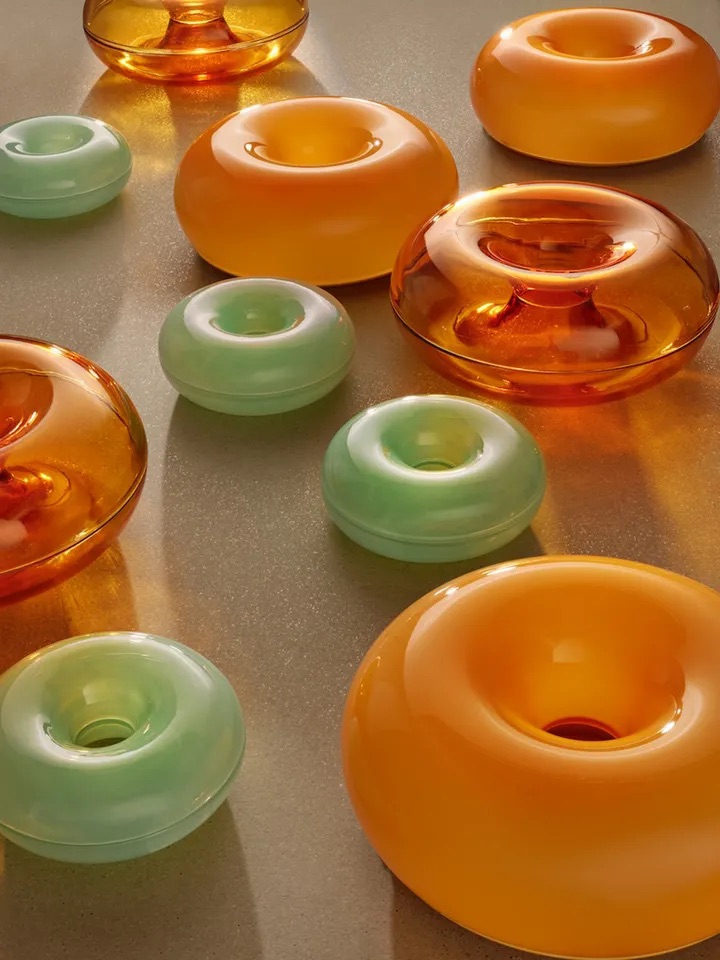
The exhibition unfolds as a circuit leading through both open and denser settings. Carefully selected works alternate with immersive stagings that let viewers experience the spatial effects of light, colour, and reflections. In a light tunnel realised as part of the artist’s collaboration with IKEA Switzerland, for example, lamps from the jointly conceived VARMBLIXT collection create the impression of infinity through sophisticated reflections.
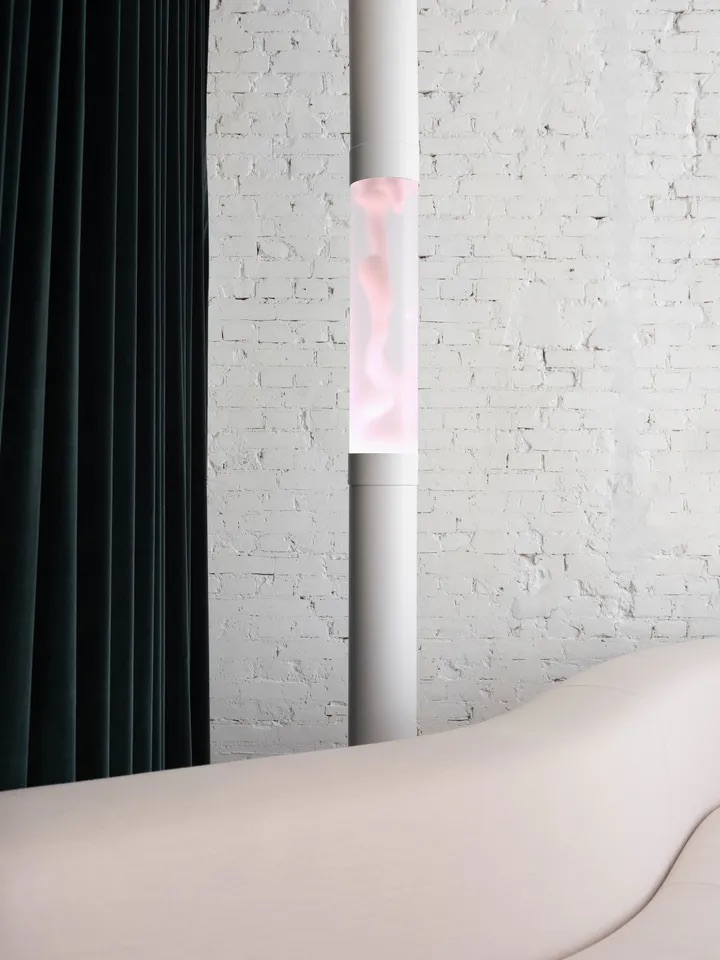
A second mirrored spatial installation developed especially for the exhibition – Mathmos Lava Columns – features XL floor-to-ceiling lava lamps designed by Marcelis for Mathmos and uses light and movement to visually blur the boundaries of the space.
The exhibition scenography, developed by Studio Sabine Marcelis, picks up on geometric motifs from the designer's vocabulary of forms and translates them into a reduced design with materiality at the forefront. Carefully placed lighting accents showcase the works and emphasise their materiality, colour, and spatial presence.